Italy travel tips: things to know before you go (2026 travel guide)
This page contains affiliate links. If you make a purchase through one of these links we make a small commission to help run this site, at no cost to you. Making a commission never affects the advice we give - see our content policy.
The food in Italy is incredible, the history is everywhere, and it’s cities and countryside are amazing.
But there’s a lot of practical stuff that trips people up – things that aren’t obvious until you’re standing in a restaurant wondering why there’s a charge on your bill you didn’t expect, or why you’ve received a traffic fine three weeks after getting home.
We’ve been to Italy three times now, across different seasons and different parts of the country: Rome, Florence and Venice in spring, Naples and Pompeii in winter, and the Amalfi Coast in late summer. Each trip taught us something new. Some of it was the kind of thing you figure out quickly (coffee culture, for instance). Other things – like ZTL zones and how train strikes actually work – we only learned after making mistakes or talking to people who’d been caught out.
This is the practical companion to our Italy travel guide. It’s not about where to go or what to see, but more a brain dump of everything we’ve learned – all our Italy travel tips in one place.
Money, cards and tipping
Card payments are widely accepted in cities. Most restaurants, shops and attractions take Visa and Mastercard without issue. But smaller places like market stalls or rural trattorias still prefer cash. We always carry €50 in cash as a backup, especially when we’re heading somewhere outside the main tourist areas (but – we rarely need it. It’s just in case).
Use a card with no foreign transaction fees. Most standard UK bank cards charge 2.5–3% on every overseas purchase, which adds up quickly over a week or two. We use Starling for all our overseas spending, but Monzo and Wise work the same way in the UK. We much prefer using card over cash, and it means we can do so cost-effectively.
When you use a card machine or an ATM and it asks whether to pay in pounds or euros, always choose euros. The conversion rate you get from “paying in pounds” (called dynamic currency conversion) is always worse than what your bank gives you. We like to play a game where we see how much it would cost in British pounds if we used it, then compare it to how much it actually cost us by not using it – we normally find it’s at least 10% cheaper.
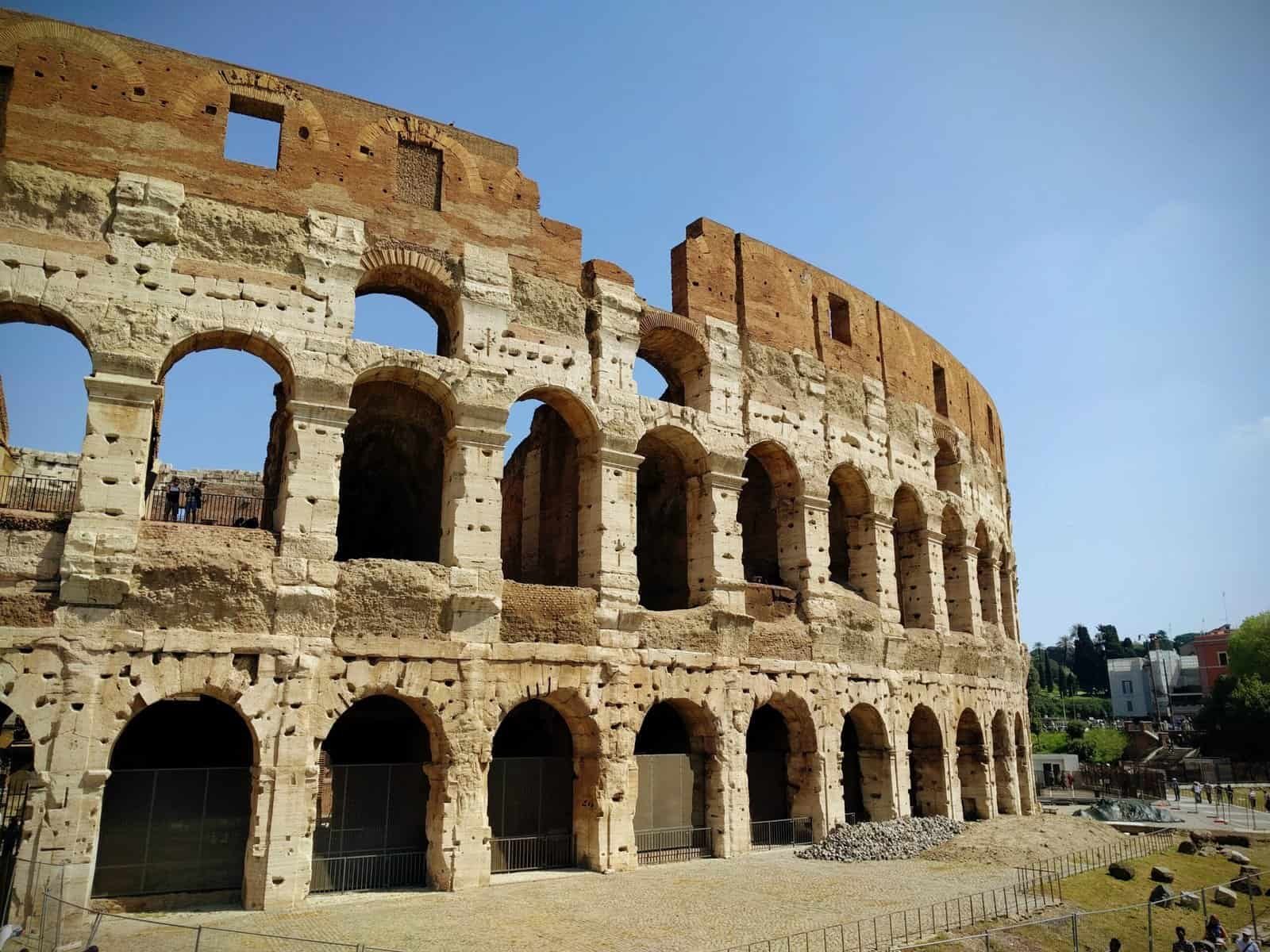
For cash, use ATMs attached to actual banks (look for the word bancomat). Standalone ATMs in tourist areas – the ones near the Colosseum or outside train stations – often charge hefty fees or have poor exchange rates. It’s worth trying a few – as soon as they say there’s a cost, cancel the transaction and try another brand somewhere else until you find one which is free to withdraw.
Tipping in Italy is nothing like tipping in the UK or the US. There’s no expectation to leave 10–20% on top of a meal (outside of tourist areas). If the service was great and you want to leave something, rounding up the bill or leaving a euro or two is appreciated. But nobody will chase you out the door if you don’t. For coffee at a bar, tipping isn’t a thing.
What you will see on almost every restaurant bill is a coperto, which is a cover charge of €1–3 per person. This covers bread, table service, and use of the table. It’s not a scam or optional, and it’s listed on the menu (usually in small print at the bottom). It’s a bit annoying, but it’s just how restaurants work in Italy.
For more detail on what things cost day-to-day, from restaurant meals to train tickets, our guide to whether Italy is expensive to visit breaks it all down.
Mobile data, eSIMS, SIM cards and WiFi
Free WiFi in Italy can be unreliable. Your hotel will almost certainly have it, and some cafes and restaurants do too, but it’s patchy, slow, and you can’t count on it when you’re walking around trying to navigate or look up a train time.
The easiest solution is getting an eSIM before you leave. If your phone supports eSIM (most phones from the last few years do), you can set one up through providers like Airalo or Yesim, activate it before your flight, and have data the moment you land. This way you don’t have to queue at airport shops or fiddle with a SIM card. Prices vary, but you can usually get 5–10GB for a week or two for under £15. Our guide to the best eSIMs in Europe test out the main companies and give our recommendation.
If your phone doesn’t support eSIMs, the main Italian mobile networks – TIM, Vodafone and WindTre – all sell tourist SIM cards at their shops. You’ll find these at airports and in most city centres. Expect to pay €15–25 for a prepaid SIM with a few gigabytes of data. You’ll need your passport to register it.
Data-only is fine for most people. WhatsApp handles calls, Google Maps handles navigation, and you’ll want data for the Trenitalia and Italo apps, Google Translate (download the Italian language pack for offline use too), and looking up restaurants. You don’t need a plan with Italian call minutes unless you’re expecting to phone local businesses.
Getting around Italy
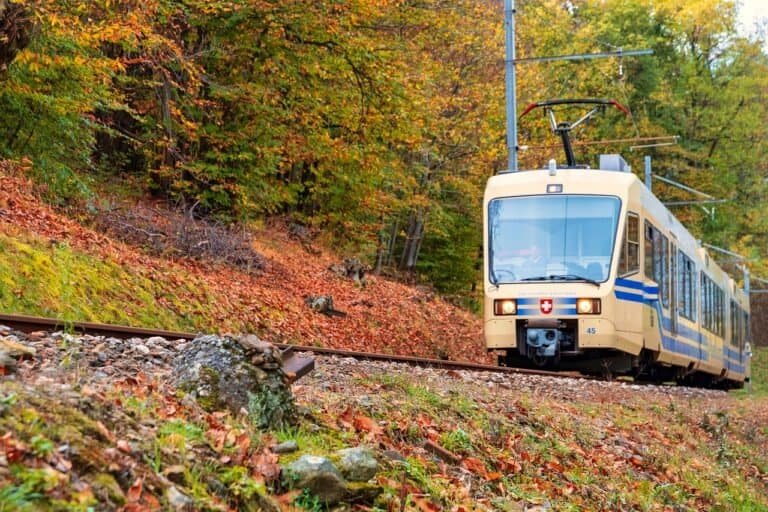
Italy’s public transport is great – it’s sometimes gets a bad wrap but we disagree. Trains connect all the major cities, and they’re fast, clean and reliable. We’ve done all three of our Italy trips without hiring a car.
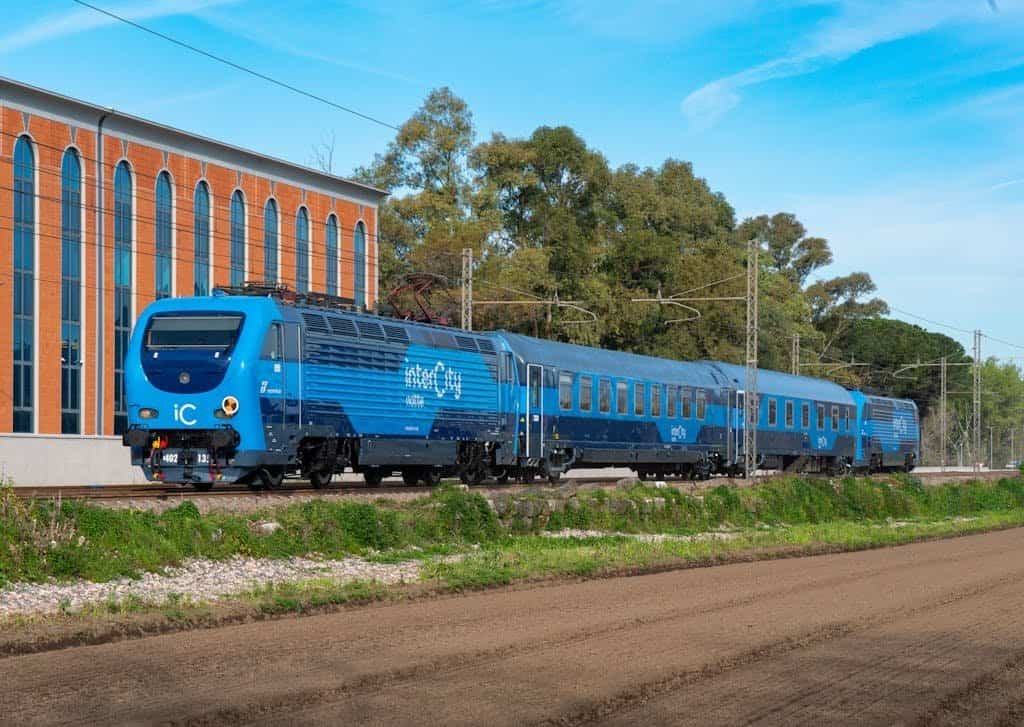
There’s two main companies which run high-speed trains in Italy – the state company Trenitalia and the private operator Italo. They connect Rome, Florence, Venice, Milan, Naples and Bologna in as little as 90 minutes between some cities. They’re comfortable, usually on time, and the prices are reasonable if you book early – sometimes as low as €19 for a Rome-to-Florence ticket. You’ll also get slower local trains, run by Trenitalia. We’ve written a full guide to getting around Italy by train if you want more detail on routes, passes and booking tips.
Trenitalia and Italo are separate companies with separate booking systems, so you’ll need to compare both. A journey that costs €40 on one might cost €25 on the other for the same route and time. You can download both apps before your trip and compare prices (or just use their website), but what we do is use Omio, which shows your options across both companies.
Don’t forget to validate regional train tickets. This catches a lot of first-timers. If you buy a paper ticket for a regional train (the slower, cheaper ones), you must stamp it in the small green or yellow validation machines on the platform before you board. If you don’t, you can be fined on the spot. E-tickets and high-speed train tickets with assigned seats don’t need validating. If you’re not sure, ask a member of staff or fellow traveller.
Strikes happen regularly, and they’re not as bad as they sound. Strikes in Italy follow rules: certain “guaranteed” services must still run during strike hours, and there are protected time windows (usually early morning and late afternoon) when all services operate normally. If a strike is called on one of your travel days, check the Trenitalia or Italo apps for which services are confirmed as running. You can also check the government’s strike calendar online. We had a strike day during our Naples trip and barely noticed – the trains we needed all ran.
ZTL stands for Zona Traffico Limitato – restricted traffic zones that cover the historic centres of almost every Italian city. They’re enforced by automatic cameras, and if you drive into one (even briefly, even by accident), you’ll get a fine posted to your rental car company, who will pass it on to you with an admin fee on top. Fines start at around €80 and can be much higher. If you’re hiring a car, research the ZTL boundaries for every city you’re visiting before you go, and park outside them. We use DiscoverCars to compare rental prices when we need a car.
Use official taxies only. Licensed taxis in Italy are white, have a meter, and operate from designated ranks. Never accept a ride from someone who approaches you inside a train station or airport – they’re unlicensed and will overcharge. Uber exists in Rome and Milan and you can use the same app as you would back home. Just be aware that coverage isn’t always as good.
Our 10-day Italy itinerary is also entirely car-free, if you want to see how a train-based trip works in practice.
Food and dining
Breakfast is normally light. Italians stand at the bar, drink a cappuccino or espresso, eat a cornetto (similar to a croissant, often filled with jam or cream), and get on with their day. Do as the Italians do, and you’ll also save money – it only costs €2-3. Most hotel breakfasts are more substantial, but if you’re eating out, this is what’s normal.
Many Italians still eat their main meal at lunchtime, particularly in smaller towns and the south. Restaurants offer menu del giorno (menu of the day) at lunch – a two or three-course set meal for €12–18, often including water or wine. It’s usually the best value eating you’ll find.
Restaurants close between meals. This one catches a lot of visitors (and us, a number of times!). Most restaurants close after lunch service (around 2:30–3pm) and don’t reopen until 7 or 7:30pm for dinner. If you’re hungry at 5pm, your options are a bar, a gelateria, or a slice of pizza al taglio. Plan around it otherwise you might find yourself hungry. That said – tourist restaurants generally stay open and might be an option if you’re desparate.
Between about 6 and 8pm, bars across Italy do aperitivo – buy a drink (usually a Spritz, Negroni or glass of wine) and you’ll get a spread of snacks alongside it. Some places do a full buffet. It’s a brilliant way to bridge the gap between a late lunch and a late dinner, and there’s something about it being free which makes it even better.
Standing at the bar is cheaper than sitting at a table. In most Italian cafes, especially in tourist areas, there are two prices: one for drinking at the bar (al banco) and one for sitting at a table (al tavolo). An espresso that costs €1.20 at the bar might cost €2.50 or more at a table. This isn’t a con – it’s just how the system works, and it’s usually listed on a sign behind the counter. If you just want a quick coffee, stand at the bar like the Italians do. In some older-style bars, you pay at the till (cassa) first, then take your receipt to the counter and order.
Tap water isn’t really served in restaurants – you’ll need to pay for still or sparkling. House wine is normally very good.
Order a caffè latte, not a latte. If you ask for a latte in Italy, you’ll get a glass of milk. What we call a latte in the UK is a caffè latte. Also remember that cappuccino is a morning drink, and Italians don’t order one after about 11am. You’ll still be served of course, but…
Italian food is very regional. Carbonara is a Roman dish, pesto is from Liguria. What we call Bolognese in the UK (a tomato-heavy meat sauce) bears almost no resemblance to ragù alla bolognese, which is slow-cooked, meat-heavy and barely red. Pizza in Naples is soft and blistered (and amazing); in Rome it’s thin and crunchy. The best meals we’ve had in Italy have always been the local speciality, not the tourist-menu greatest hits.
Avoid restaurants with picture menus, people trying to get you to come in, or signs advertising “tourist menu”. If someone is standing outside trying to persuade you to come in, the food probably isn’t doing the persuading. Walk a few streets away from the main sights and eat where the locals eat – you’ll pay less and it will be so much better.
Cultural tips and etiquette
Dress appropriately for churches. This applies everywhere: the Vatican, Florence’s Duomo, the smallest village church. Shoulders and knees must be covered. It’s enforced, and people get turned away at St Peter’s Basilica for wearing vest tops. Carry a light scarf or shawl in your bag and you’re sorted. This applies to men and women.
When you walk into a shop, a cafe, or a restaurant, say buongiorno (good morning, used until mid-afternoon) or buonasera (good evening). It’s a small thing, but it’s polite and nice to do.
Queuing is a flexible concept! Where there’s a numbered ticket system (numeretto), take a ticket and wait. Where there isn’t, the queue is more of a suggestion. Don’t be aggressive about it, but don’t be surprised if someone steps in front of you either.
Safety and scams
Italy is a safe country to visit. Violent crime against tourists is extremely rare. The main risk is petty theft, and even that is avoidable if you’re sensible.
Pickpocketing is concentrated in specific places. Rome’s metro (particularly Line A), the area around Termini station, and the crowds near the Colosseum and Trevi Fountain are the main hotspots. Florence around the Duomo, and Naples around the central station, are also known for it. Keep your phone in a zipped pocket, carry your bag across your body with the opening facing inward, and don’t keep your wallet in your back pocket. Pickpocketing often comes up in forums and social media, but it’s never been a problem for us and we think it’s really blown out of proportion. Just be sensible, and you’ll be fine.
There are some scams which you’ll see on social media (we’ve never experienced them, but we’ve seen them online). The common ones seem to be people with clipboards asking you to sign a “petition”, which is a distraction technique while someone else goes through your pockets; sellers tying a “friendship bracelet” to your wrist and then demanding payment; or someone offering “your ring” that they found, then asking for money. Again – we’ve never experienced this in Italy, but if it happens, just firmly say no and walk away. Don’t be overly concerned about coming to Italy though.
Always use official taxis (white with a meter, and operating from official ranks). Make sure the meters on, and don’t go with anyone who approaches you.
The emergency number is 112 – it works across the EU and connects you to police, ambulance or fire service.
Practical essentials
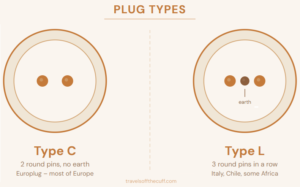
Italy uses type C and type L sockets. A standard European travel adapter (the two-pin round kind) works everywhere. The L plug has three round pins in a row, but it accepts type C plugs, so you don’t need anything special (and it’s not very common now anyway).
Tap water is safe to drink. Rome is particularly good for this – the city has hundreds of free public drinking fountains called nasoni (literally “big noses” because of the shape of the spout). Bring a reusable bottle and refill it as you go (or, we reuse a plastic bottle – it means that you can throw it away if needed, rather than having to carry around a reusable bottle all day). It’ll save you money and plastic.
Nearly every Italian city charges a tourist tax per person per night (called imposta di soggiorno). It ranges from about €1 to €7 depending on the city and the star rating of your accommodation. It’s usually paid separately at check-in or checkout, often in cash. It’s not included in what you see on Booking.com or similar sites, so budget for it. For a couple staying a week in a mid-range hotel, expect to pay an extra €20–40 on top of your room rate.
Look for the green cross sign. Italian pharmacies are well-stocked, often have English-speaking staff, and can help with minor health issues without needing to see a doctor. They’re a good first stop for headaches, stomach problems, sunburn, or insect bites. Something we’ve learnt is that paracetamol is far more expensive abroad than in the UK, so we always bring it with us (our use of paracetamol has nothing to do with having a bit too much to drink the night before…).
Public toilets are rare, and often not great. Your best bet is cafes and restaurants – buy a coffee and use the facilities. Some busier tourist areas have pay toilets for €0.50–1.
Italy uses Central European Time (GMT+1), with daylight savings from March to October. Italy is one hour ahead of the UK for most of the year.
Visas and travel insurance
UK and most western travellers don’t need a visa for stays up to 90 days within any 180-day period (standard Schengen rules). Your passport needs to be valid for at least three months beyond your planned departure date, and it must have been issued within the last ten years.
Two things to know about border systems: the EU’s Entry/Exit System (EES) launched in October 2025 and is now in operation. It replaces passport stamps with a digital system that records your biometric details (fingerprints and photo) when you enter and leave the Schengen area. Your first time through will take longer than you’re used to – allow extra time at the airport. Once you’ve done it the first time, you’ll be quicker the next.
ETIAS (the European Travel Information and Authorisation System) is expected to launch in late 2026. Once it does, UK travellers will need to apply online and pay a €7 fee before travelling. It’s not a visa but more like the US ESTA. It hasn’t launched yet, so you don’t need one right now, but check the current status before booking if you’re planning a trip for late 2026 or 2027.
Travel insurance is essential. UK travellers no longer have automatic EU health cover post-Brexit. A GHIC (Global Health Insurance Card) gives you access to state healthcare in EU countries on the same basis as a local, but it doesn’t cover everything like repatriation, cancellations, or lost luggage. We recommend EKTA insurance.
If your flight is delayed or cancelled, services like Airhelp and Compensair can help you claim compensation from the airline. You can do this direct and not pay the commission, but it’s a lot easier just to use a Airhelp or Compensair.
When to visit
We’ve got a full guide to the best time to visit Italy, plus a separate guide on the best time to fly to Italy if you’re looking to save money on flights.
The short version: April, May, September and October are the best all-round months for most travellers. Comfortable weather, manageable crowds, and nearly everything is open.
Summer (June–August) is hot, crowded and expensive. August is particularly tricky, as many local restaurants and shops close for Ferragosto (the August holiday), and cities empty of Italians while filling with tourists.
Winter (November–March) is cold in the north but mild in the south. Naples, Sicily and Puglia are all good options for a winter city break. You’ll get far fewer tourists and much lower prices, though some attractions reduce their hours and some coastal areas shut down almost entirely.
What to download before you go
A quick checklist of the apps that’ll make your trip easier:
Trenitalia and Italo – are the train companies. Both apps are free and give real-time platform information, delays, and mobile tickets.
Google Maps – download offline maps for the cities and regions you’re visiting. Italian data coverage is good in cities but can be patchy in rural areas, plus it will save your data.
Google Translate – download the Italian language pack before you go to save data. The camera translation feature is brilliant for menus and signs.
Omio – is what we use for searching across all train companies at once. You can just use the website, but the app is useful too.
eSIM – if you’re going the eSIM route, set it up before you leave. Check our guide for the best eSIM companies.
Frequently asked questions
What to do next
If you’re still in the early planning stages, our guide to the top 5 places to visit in Italy for first-timers is a good starting point.
If you’ve already decided where you’re going, our 10-day Italy itinerary covers a classic Rome–Florence–Venice route entirely by train. And for timing and budget, our guides to when to visit Italy and what it costs cover the rest.
Or, see all our Italy travel content.
Whatever you’re planning – have a brilliant trip.
A small favour: we're trying to gather some feedback to help make our blog even better
If you have any feedback on how we can improve, please add it below. Big or small, we'd love to hear.