
Italy travel guide 2026: where to go, what to do and how to plan it
We’ve travelled Italy from Venice down to Naples and Pompeii, always by train. This guide brings together everything we’ve learned: where to go, when to visit, what it costs and how to get around, with links to our detailed guides for each place.
- Every guide from our own trips
- City to city by train
- Updated November 2026

Start with these three guides
If you only read three things before you book, make it these.

First time in Italy? Our top five places
The places we’d pick for a first trip, and how to choose two or three without trying to do too much.
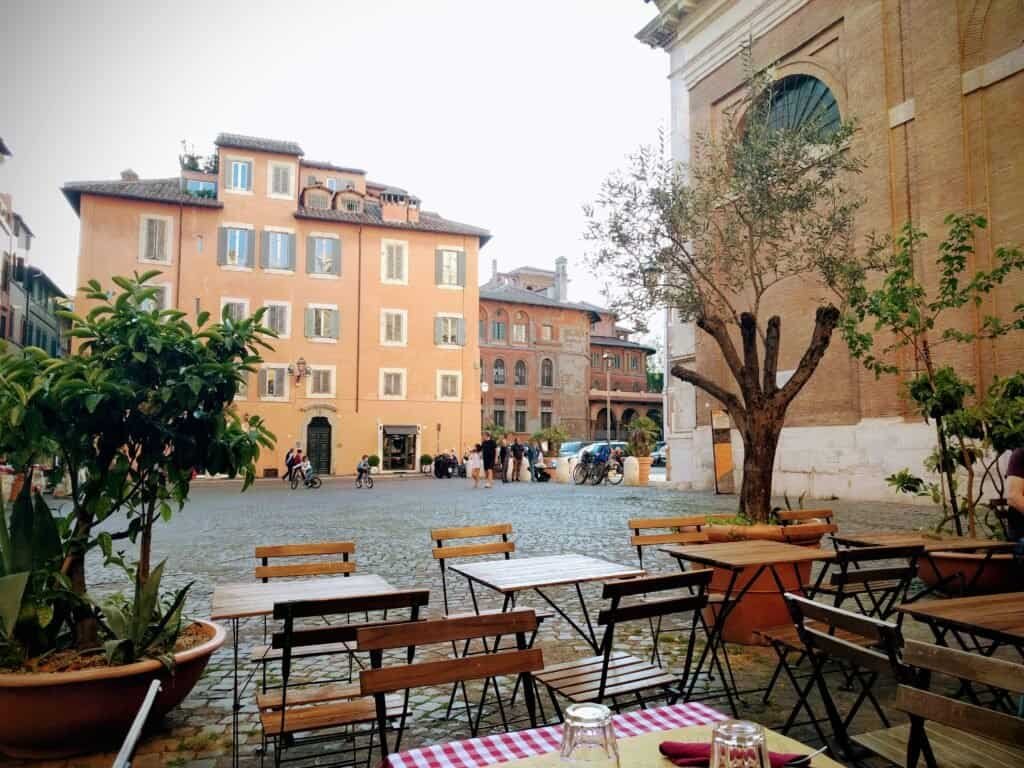
Italy travel tips: what to know before you go
The practical things we wish we’d known before our first trip, from paying for things to getting around.
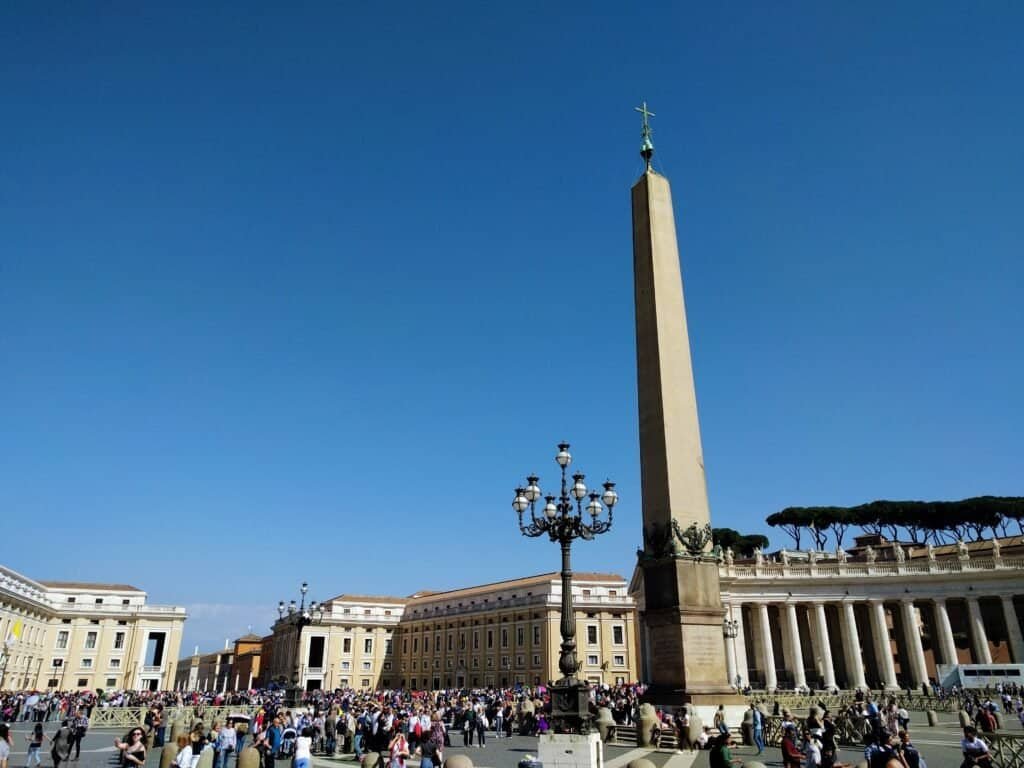
10 days in Italy by public transport
Rome, Florence and Venice by train, with an optional fourth stop. It’s the route we’d give most first-timers.
Where to go in Italy
Italy is long and narrow, and it changes a lot from north to south. Most first trips stick to Rome, Florence and Venice, linked by fast trains. It’s a brilliant introduction, but there’s much more beyond that route.
Northern Italy
Venice, the lakes, the Dolomites, Milan
Pricier and more polished than the rest of the country and, outside Venice, less touristy than the centre. The food leans towards risotto, polenta and rich meat dishes.
Central Italy
Rome, Florence, Tuscany, Umbria
Where most of the big names are. Rome has 2,000 years of history stacked on top of itself, and Florence is the gateway to Tuscany’s art, wine and hill towns. Siena, Orvieto, Lucca and San Gimignano are all easy add-ons by train or bus.
Southern Italy and the islands
Naples, Pompeii, Amalfi, Puglia, Sicily
Less polished and more chaotic – it can be a bit marmite for some! Naples has the best pizza we’ve eaten and Pompeii on its doorstep. Sicily and Puglia are cheaper and quieter than the classic route.
Explore Italy by destination
What we loved in each place, and every guide we’ve written for it.
Rome
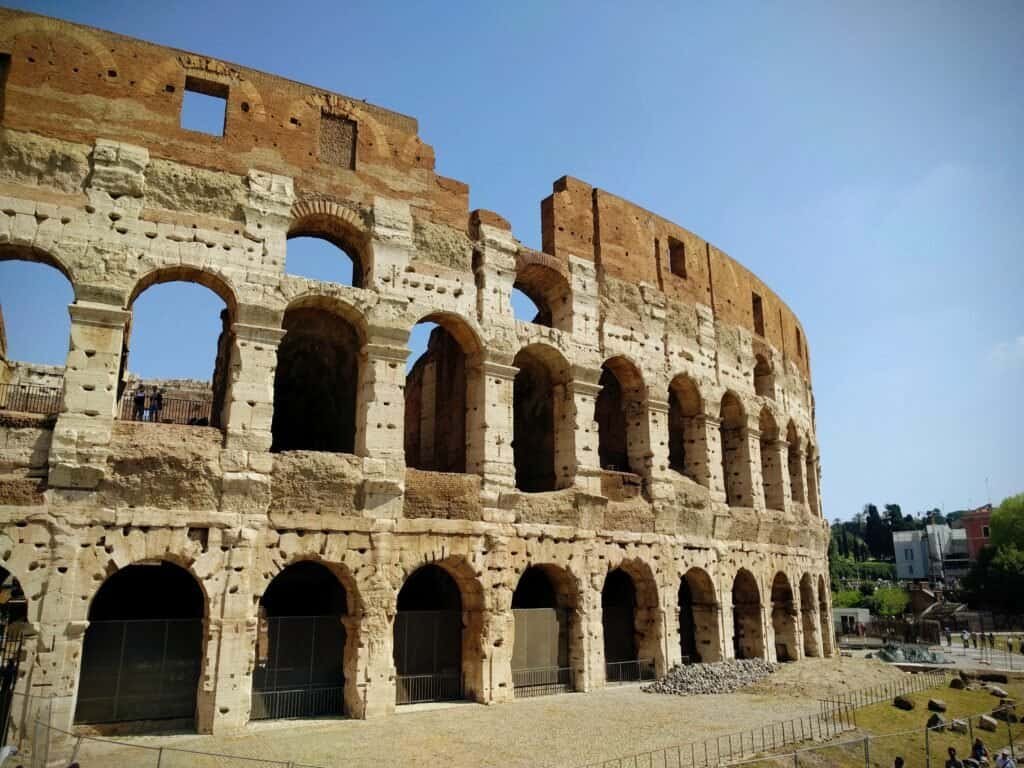
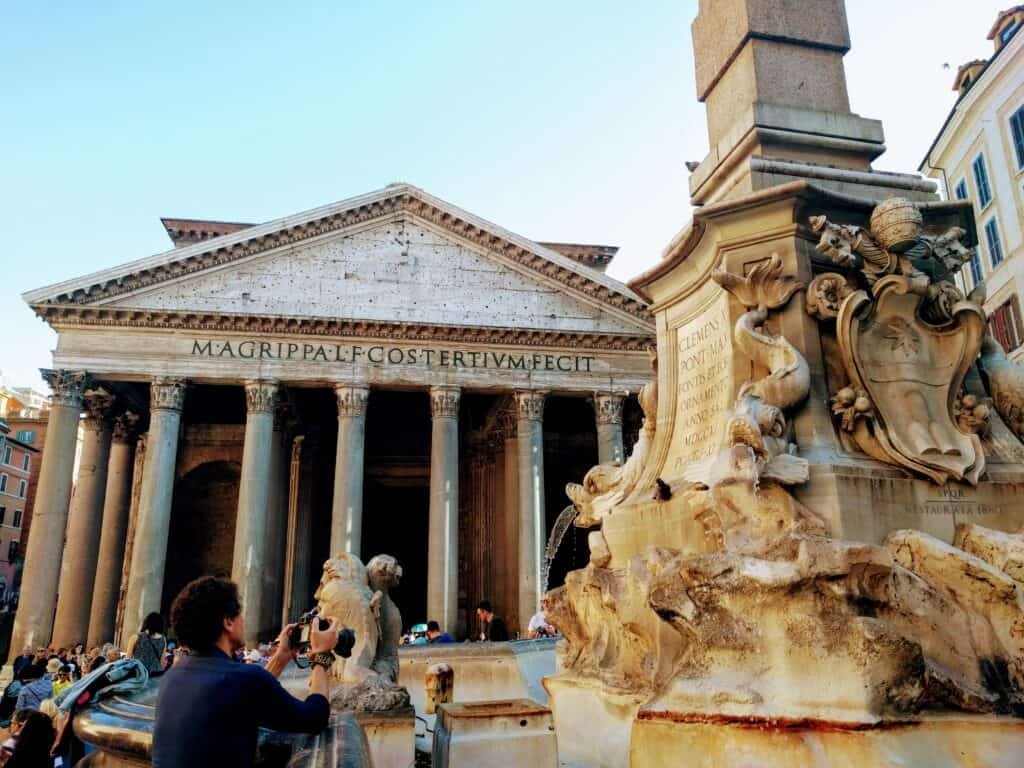
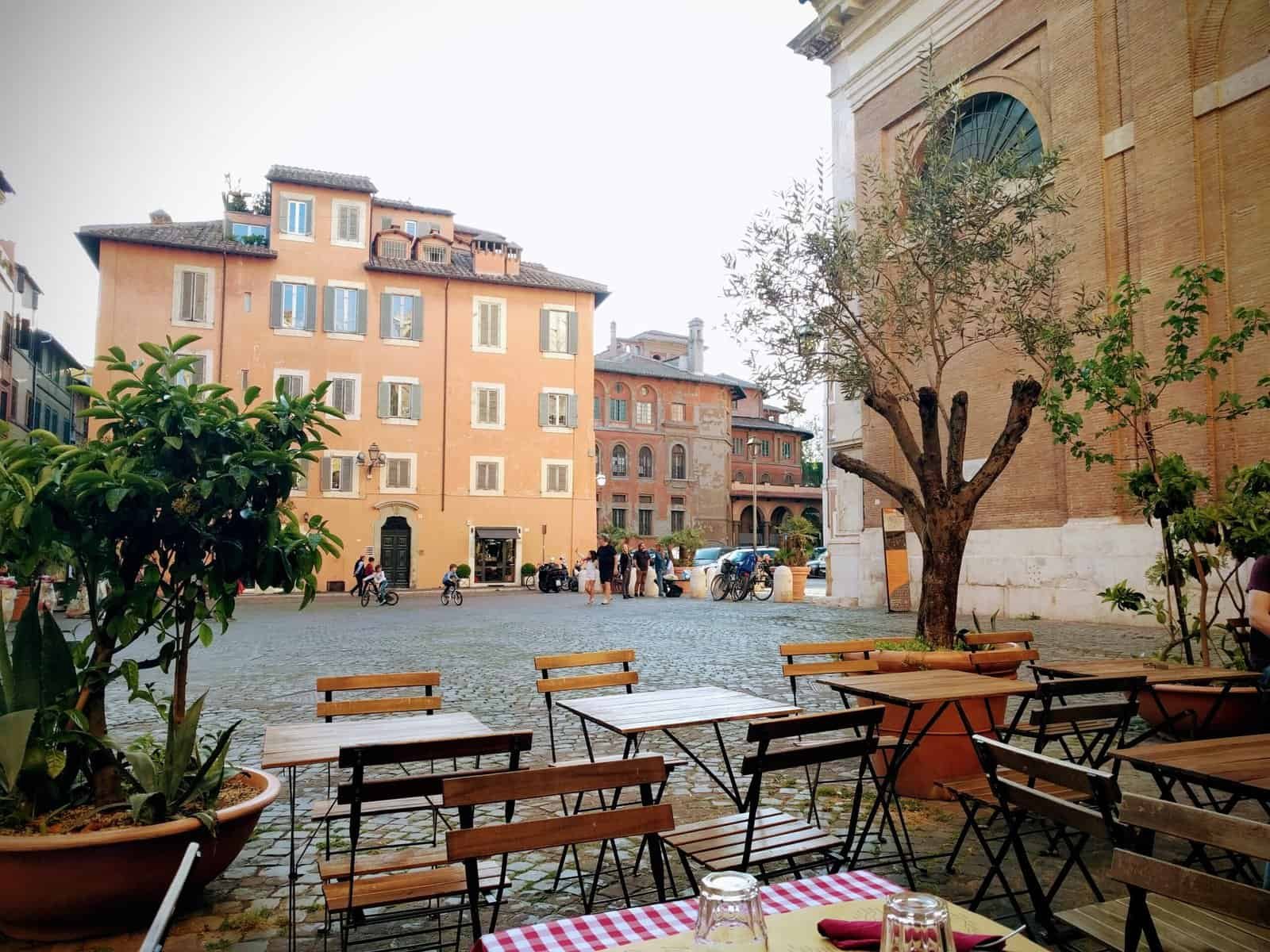
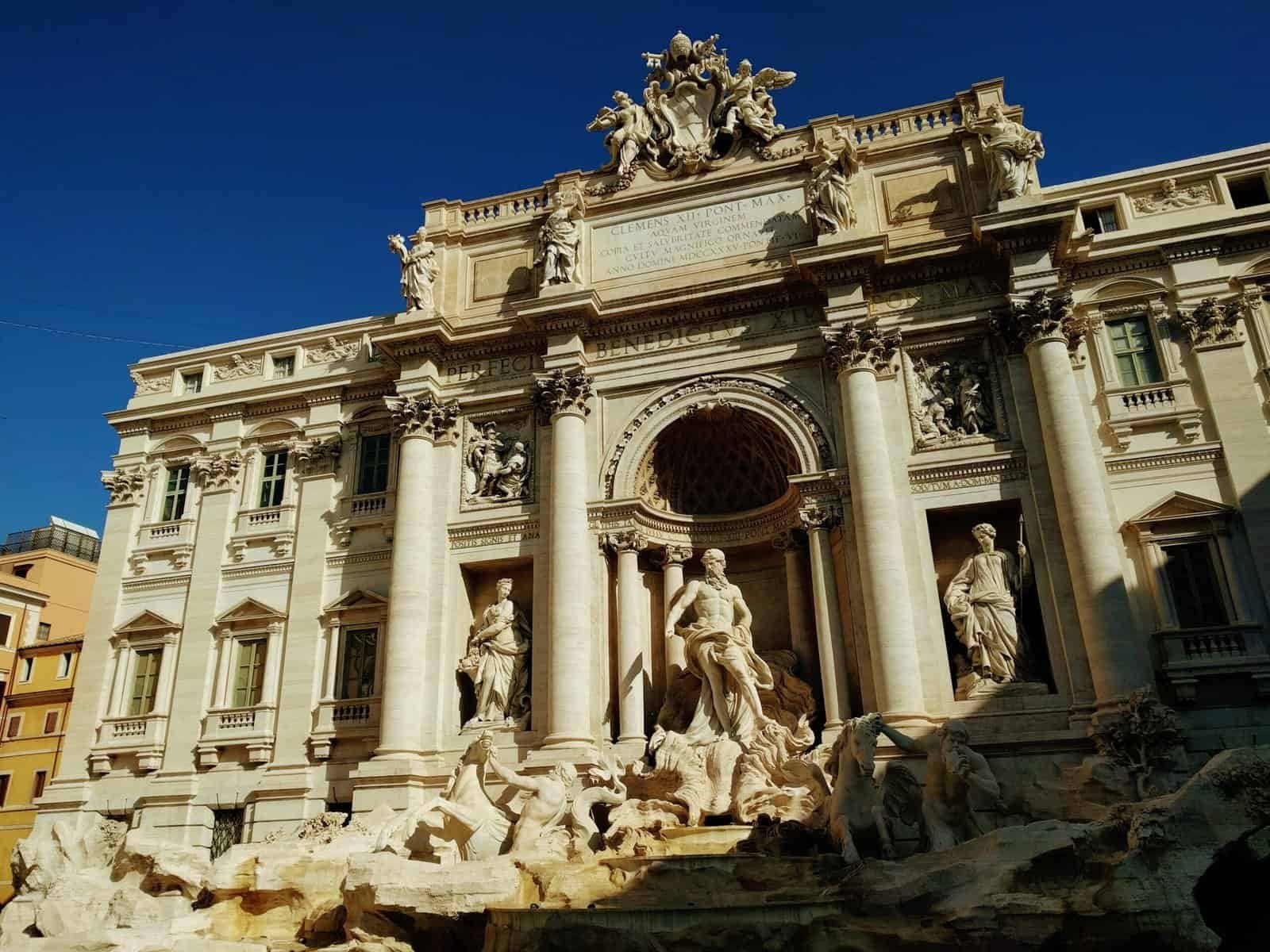
Rome is where we’d tell most people to start. It can be a lot at first, in a good way: you turn a corner and find a 2,000-year-old temple next to a gelateria next to someone’s washing line. The history is extraordinary, but what surprised us most was how much we loved wandering the neighbourhoods: Monti, Trastevere and Testaccio.
- Best things to do in RomeEvery major sight, neighbourhood and food stop, organised by area
- Where to stay in RomeThe areas we’d pick to avoid the tourist trail, with hotels we’ve checked
- 4-day Rome itineraryA relaxed day-by-day plan with the big sights front-loaded
- Best day trips from Rome by trainPompeii, Orvieto, Tivoli, Ostia Antica and more

Florence and Tuscany
Florence is smaller and more walkable than Rome, and it’s full of amazing art and architecture. We loved the Uffizi, the view from Piazzale Michelangelo and the lampredotto sandwiches from street vendors. But the countryside is the real draw: one of our favourite days in Italy was borrowing bikes from our hotel and riding the narrow lanes outside Florence.
- 10 best Tuscany wine tours from FlorenceSmall-group tours to Chianti, Montalcino and San Gimignano, compared
- Florence in our 10-day itineraryHow many nights to spend and what to see
- Florence as a day trip from RomeAbout 1 hour 30 by high-speed train
Naples, Pompeii and the Amalfi Coast
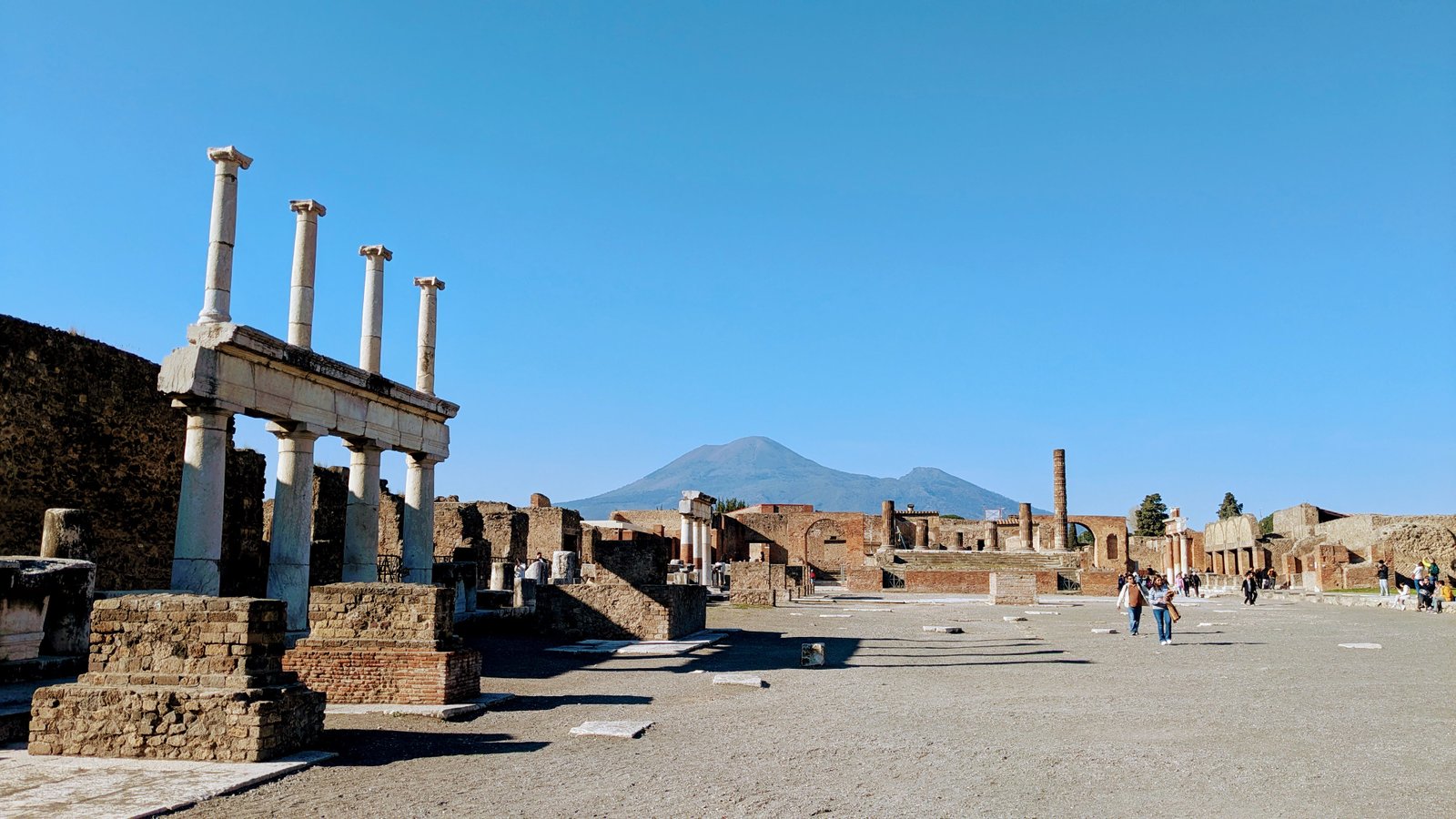
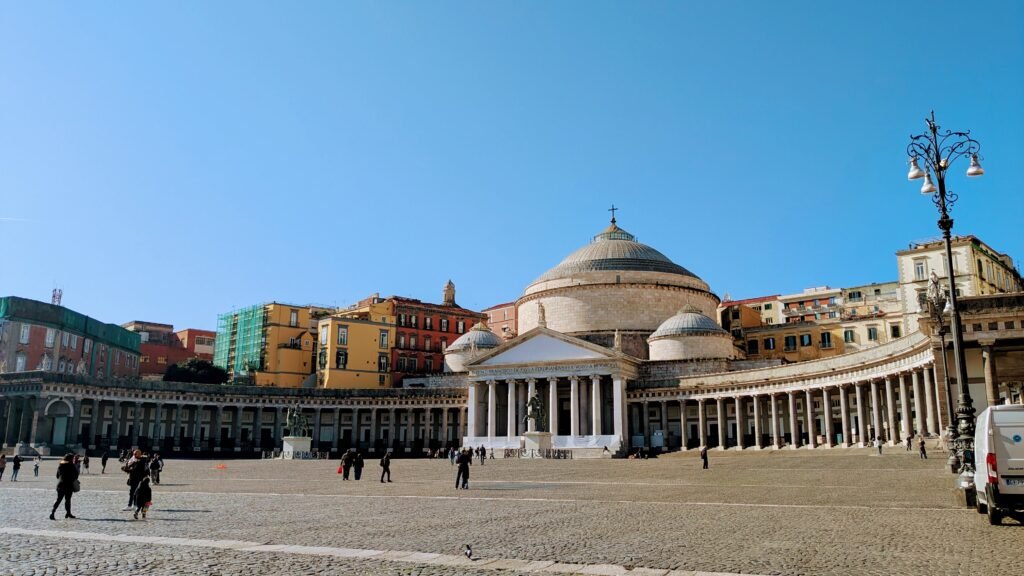
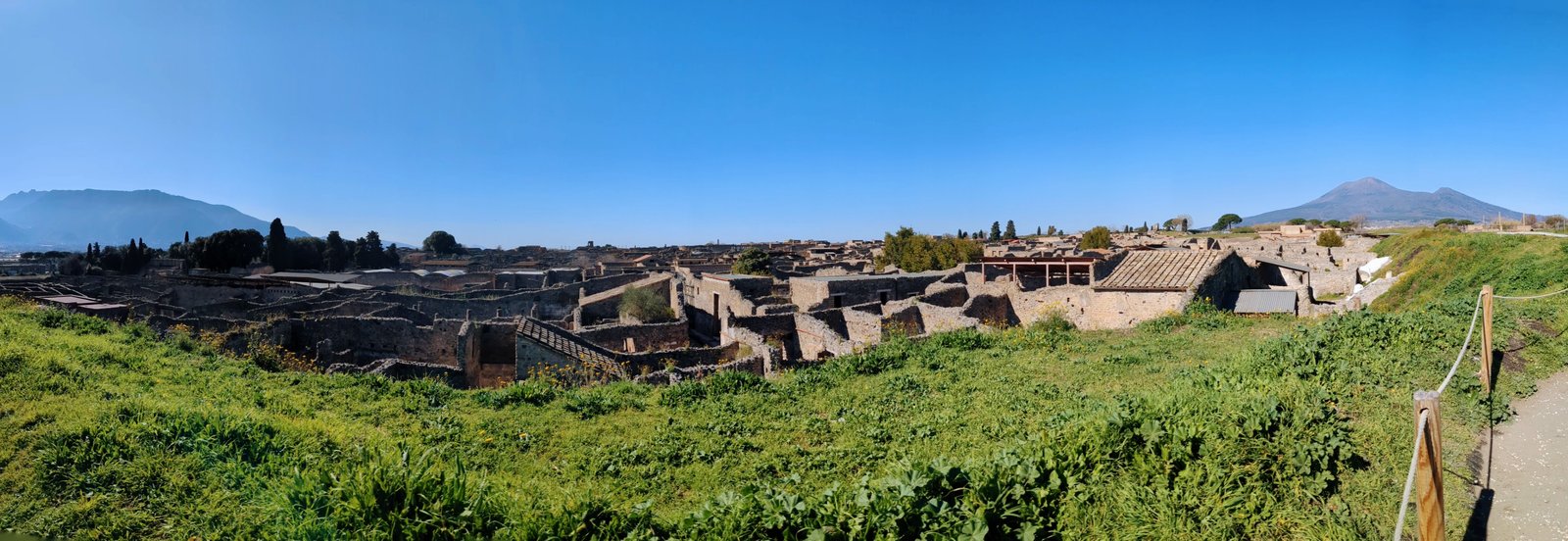
Naples is loud, chaotic and brilliant. The pizza is delicious and cheap (from €10 for a large Margherita), and it’s the most affordable big city in Italy. It’s also the jumping-off point for Pompeii, the Amalfi Coast, Capri and Ischia. Pompeii is one of the most memorable places we’ve been in Italy: an entire Roman city preserved in volcanic ash, with Vesuvius looming over it.
- How to get from Naples to PompeiiThe Circumvesuviana train, buses and transfers compared
- Pompeii as a day trip from RomePossible by fast train to Naples, but it’s a long day

Venice
Venice was the last stop on our first trip to Italy in 2018, and it’s probably our favourite city in the country. There’s nowhere else like it: no cars, just canals, bridges and little alleys that all seem to lead somewhere better. Stay at least two nights so you see it after the day-trippers leave, and if you’re only visiting for the day, check the access fee dates (€5 if you pay at least four days ahead, €10 after that, on 60 busy days between April and July in 2026; checked November 2026). Our 10-day Italy itinerary ends with four days there.
- Venice in our 10-day itineraryHow long to stay and how it fits with Rome and Florence
- Getting to Venice by trainTickets, trains and which station to use
When to visit Italy
Timing matters more in Italy than most of Europe. Rome in April and Rome in August feel like different cities, in temperature, crowds and prices.
Our pick
Spring
April to May
April is our favourite time to go: warm enough to eat outside and cool enough to walk all day, with thinner crowds and prices that haven’t peaked.
Hot and busy
Summer
June to August
Cities hit 35–40°C and the big sights are at their busiest. Start early, take a long lunch in the shade and explore in the evening. Best for the coast and islands, if you book ahead.
Our pick
Autumn
September to October
The same benefits as spring, with the sea still warm in the south and the grape harvest under way in Tuscany.
Cheapest
Winter
November to March
Quiet, cheap and underrated for city breaks, and a good time for Naples and Pompeii. Expect shorter days, cooler weather and some coastal towns closed.
How much does Italy cost?
Italy has a reputation for being expensive, and it can be, but it doesn’t have to be. Your daily spend depends mostly on where you go, when you go and how you travel. Rough costs per person, per day:
Budget
€70–100
about £60–85
- Hostels or simple guesthouses
- Street food and lunchtime set menus
- Regional trains and free sights
Mid-range
€150–200
about £130–175
- Boutique hotels
- Sit-down dinners most nights
- Museum tickets and fast trains
Luxury
€200–500+
about £175–435+
- Top-end hotels
- Fine dining
- Private guides and transfers
Where the money goes: accommodation (Venice and the Amalfi Coast cost far more than Naples or Sicily) and eating out. A sit-down dinner can cost three or four times a lunchtime menu del giorno, for food that’s often no better. Our full price breakdown →
Getting around Italy by train
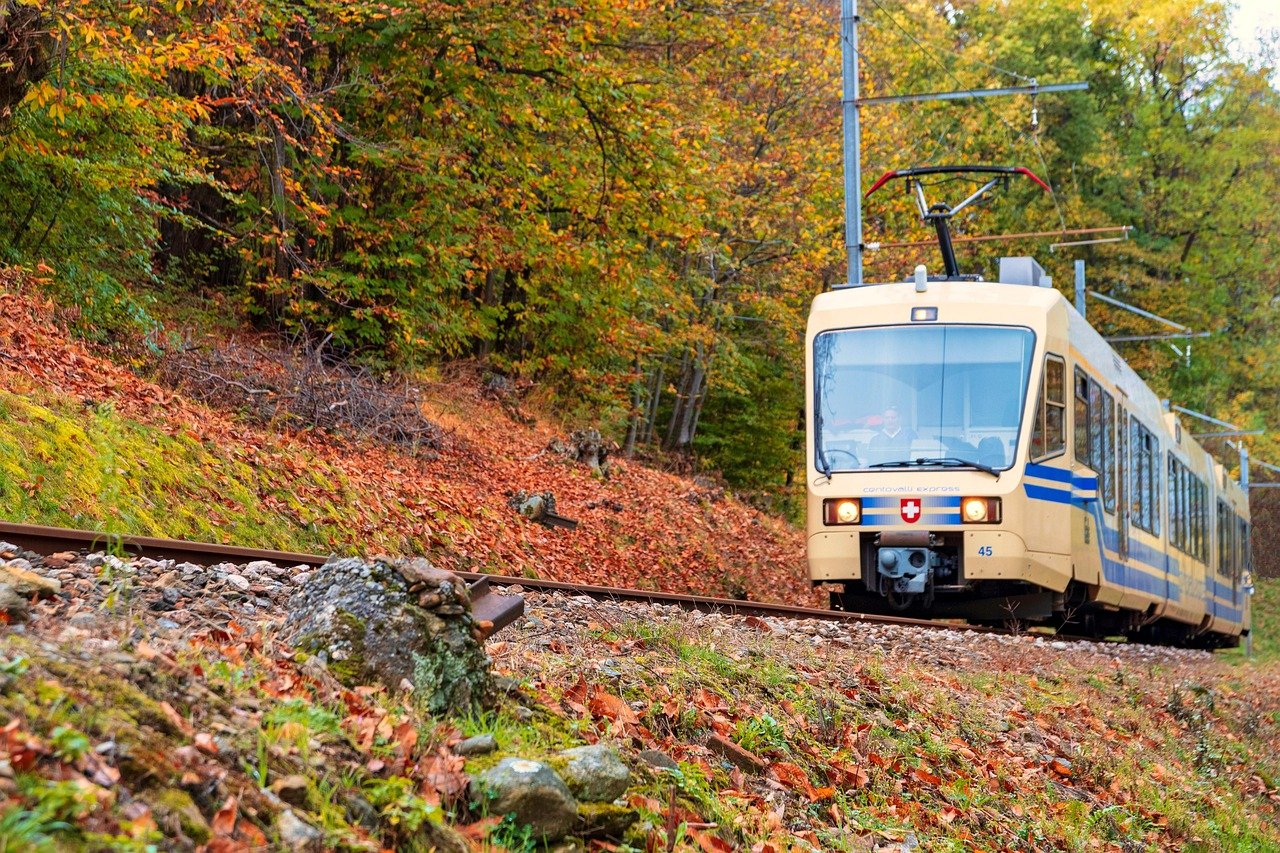
Italy’s rail network is one of the best in Europe, and it’s how we always get around. High-speed Frecciarossa and Italo trains link Rome, Florence, Venice, Naples, Milan and Bologna in around two hours or less, from about €20 if you book ahead.
Regional trains are slower and cheaper, and they’re how you’ll reach places like Pompeii, Lucca, Cinque Terre and Orvieto. You don’t need to book them in advance: buy a ticket at the station and validate it before you board.
For a city-based trip we’d always pick the train over a car. You arrive in the centre, you avoid ZTL fines (restricted traffic zones in most historic centres) and everyone can have a glass of wine at lunch.
When a car is worth it: for the Tuscan countryside, Puglia or anywhere the trains don’t reach. Pick it up on your way out of the city, not in the centre. Compare car hire prices on DiscoverCars
Typical journey times
Fastest direct trains
- Rome → Florence from 1 hr 30
- Florence → Venice from 2 hr 5
- Rome → Naples from 1 hr 10
- Rome → Venice from 3 hr 45
- Naples → Pompeii about 35 min
Naples to Pompeii is on the local Circumvesuviana line. See our Pompeii guide.
How long have you got?
We’d always choose fewer places and more time in each, but we know not everyone has that luxury.
10
Rome, Florence and Venice by train
The classic first trip, all by public transport, with an optional fourth destination.
4
A relaxed Rome itinerary
The big sights without the rush, plus the quieter neighbourhoods we loved most and what to skip.
1
Day trips from Rome by train
Pompeii, Florence, Orvieto, Tivoli and Ostia Antica, with journey times and costs.
Tours worth booking
Some of the best things we’ve done in Italy were well-chosen tours. A good guide can bring something alive, or take you to places where you wouldn’t think to go on your own.
Colosseum and Roman Forum
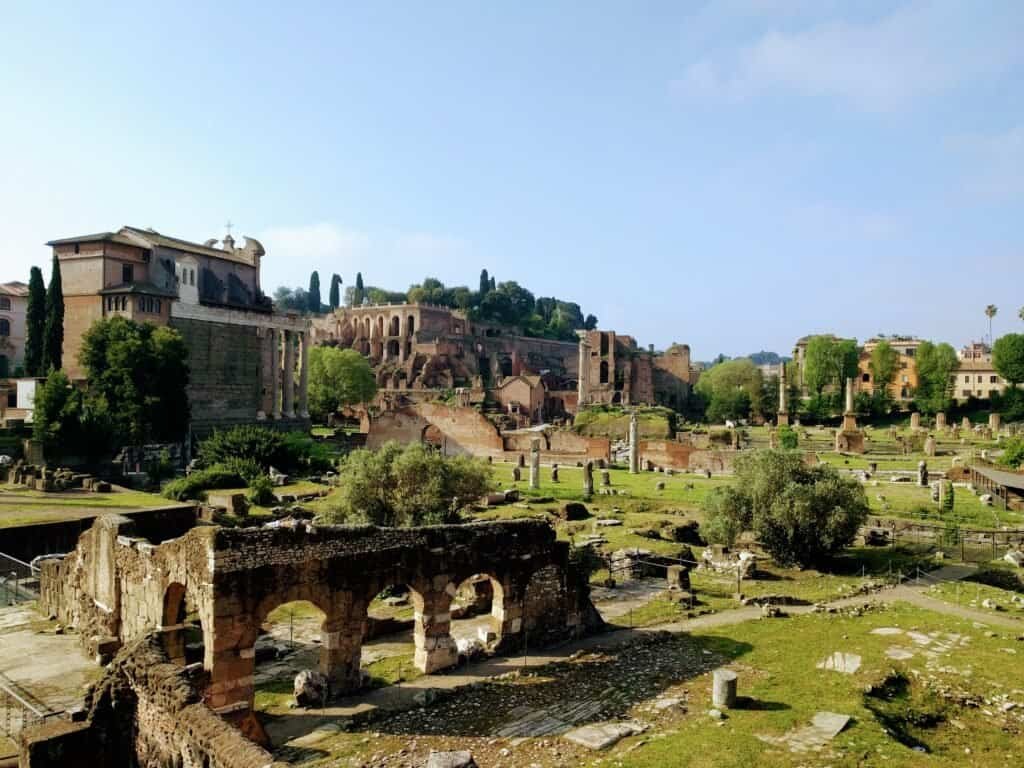
The skip-the-line tour we booked ourselves. The Forum makes far more sense with someone explaining it.
Vatican Museums
Skip-the-line entry is worth paying for in spring and summer, when the queue outside can be long.

Tuscany wine tour from Florence
A tour means nobody has to drive. We compared the ten best, from about €49 (£43) per person.

Pompeii from Rome
If you’re based in Rome and don’t want to plan the trains, this full-day tour handles the transport and the guide.
Book your Italy trip
The rest of the bookings, and what each one is for.
Find a cheap flight
Check our month-by-month fare guide first, then compare airlines and routes on Kiwi.com.
Book, then watch the price
Book with free cancellation, then add it to Hotel Watch and we’ll email you if the price drops.
Get travel insurance
We always travel with World Nomads. It covers medical, cancellations and lost bags, even if you buy after you’ve set off.
Sort your data
UK networks charge for EU roaming on many plans. An eSIM is usually cheaper for a week or more.
Flight delayed or cancelled?
Delays of 3 hours or more on UK and EU flights can mean up to £520 in compensation.
Italy practical information
Entry for UK passports
No visa for stays of up to 90 days in any 180. Your passport must be under 10 years old on arrival and valid for 3 months after you leave. The EU Entry/Exit System (EES) takes your fingerprints and photo at the border, and ETIAS (a €20 online travel authorisation) is due to follow. Check the official EU site before you go.
Money
Italy uses the euro. Cards work almost everywhere in cities, but small trattorias and market stalls may prefer cash. We use Starling for no overseas fees, and always choose to pay in euros at the card machine.
Tipping and coperto
Tipping isn’t expected like in the UK. Most restaurants add a coperto (cover charge) of €1–3 per person for bread and table service. Rounding up for great service is appreciated, not required.
City tax
Most cities charge a tourist tax per person, per night, paid at your hotel and usually not included in the booking price. In Rome it’s about €4–10 depending on the hotel’s star rating.
Venice access fee
On peak days (mostly spring and summer weekends), day-trippers to Venice pay an access fee of €5–10. Overnight guests are exempt but still need to register. Check the dates on the official Venice site before you go.
Language
English is widely understood in Rome, Florence and Venice, less so in small towns and the south. Buongiorno, grazie and scusi go a long way.
Plugs
Types C and L. A standard European adapter works everywhere, as Italy’s three-pin type L sockets take type C plugs.
Water
Tap water is safe to drink. Rome has hundreds of free drinking fountains (nasoni), so bring a refillable bottle.
Safety
Italy is very safe for tourists. Pickpocketing is the main risk, on public transport and around big sights in Rome, Florence and Naples. Watch for fake petitions, “friendship” bracelets and unlicensed taxis.
Time zone: Central European Time, one hour ahead of the UK all year.
Italy travel questions
How many days do you need in Italy?
For a first trip covering Rome, Florence and Venice, we’d say 10 days. That gives you three or four nights in Rome and two or three in each of the others without rushing. With a week, pick two cities. See our 10-day Italy itinerary.
What is the best month to visit Italy?
April, May, September and October. It’s warm enough to eat outside, the crowds are thinner than summer and prices haven’t peaked. July and August are hot (35–40°C in Rome and Florence) and busy. Our best time to visit Italy guide goes month by month.
Is Italy expensive to visit?
It can be. Expect about €70–100 (£60–85) a day on a budget and €150–200 (£130–175) mid-range, per person. Naples and the south are cheaper; Venice and the Amalfi Coast cost the most. Full breakdown: Is Italy expensive to visit?
Do you need a car in Italy?
Not for a city trip. Trains link all the main cities quickly and cheaply, and driving into historic centres risks ZTL fines. A car is worth it for the Tuscan countryside or Puglia. See our guide to Italian trains.
Do UK citizens need a visa for Italy?
No, not for tourist stays of up to 90 days in any 180-day period. Your passport must be less than 10 years old when you arrive and valid for at least 3 months after you leave. Expect fingerprints and a photo at the border under the EU Entry/Exit System, and check whether ETIAS applies before you travel.
Where should I go on my first trip to Italy?
Rome, Florence and Venice, linked by fast trains, is the classic first trip and the one we recommend. If you’d rather do fewer places, Rome plus Florence (with a day in Tuscany) works well. Our first time in Italy guide has our top five.
Plan your trip in an hour, not a week
Sign up and we’ll send you our one-page planning sheet – it’s what we use ourselves. We’ll also send our newsletter with new guides and travel deals, around once a quarter.
Done – check your inbox and click the link to confirm. The sheet arrives once you have.
Unsubscribe any time. Privacy
Every Italy guide we’ve written
-
Best day trips from Rome by train (2026) – our recommendations
-
Italy travel tips: things to know before you go (2026 travel guide)
-
Where to stay in Rome if you want to avoid the tourist trail (area and hotel guide)
-
Best things to do in Rome: a practical guide for 2026
-
How to get around Italy by train: a complete guide
-
The best 4-Day Rome Itinerary 2026: A Relaxed Day-by-Day Guide
-
10 best Tuscany wine tours from Florence
-
When’s the best time to visit Italy? Our guide to the weather, crowds and what’s on (2026)
-
Best time to fly to Italy from the UK: monthly price guide (2026)
-
Is Italy expensive to visit? A realistic guide to planning your budget
-

First time in Italy? Our top 6 places to visit first (2026 guide)
-

10-day Italy itinerary using public transport (+ optional destination)
-
How to get from Naples to Pompeii