
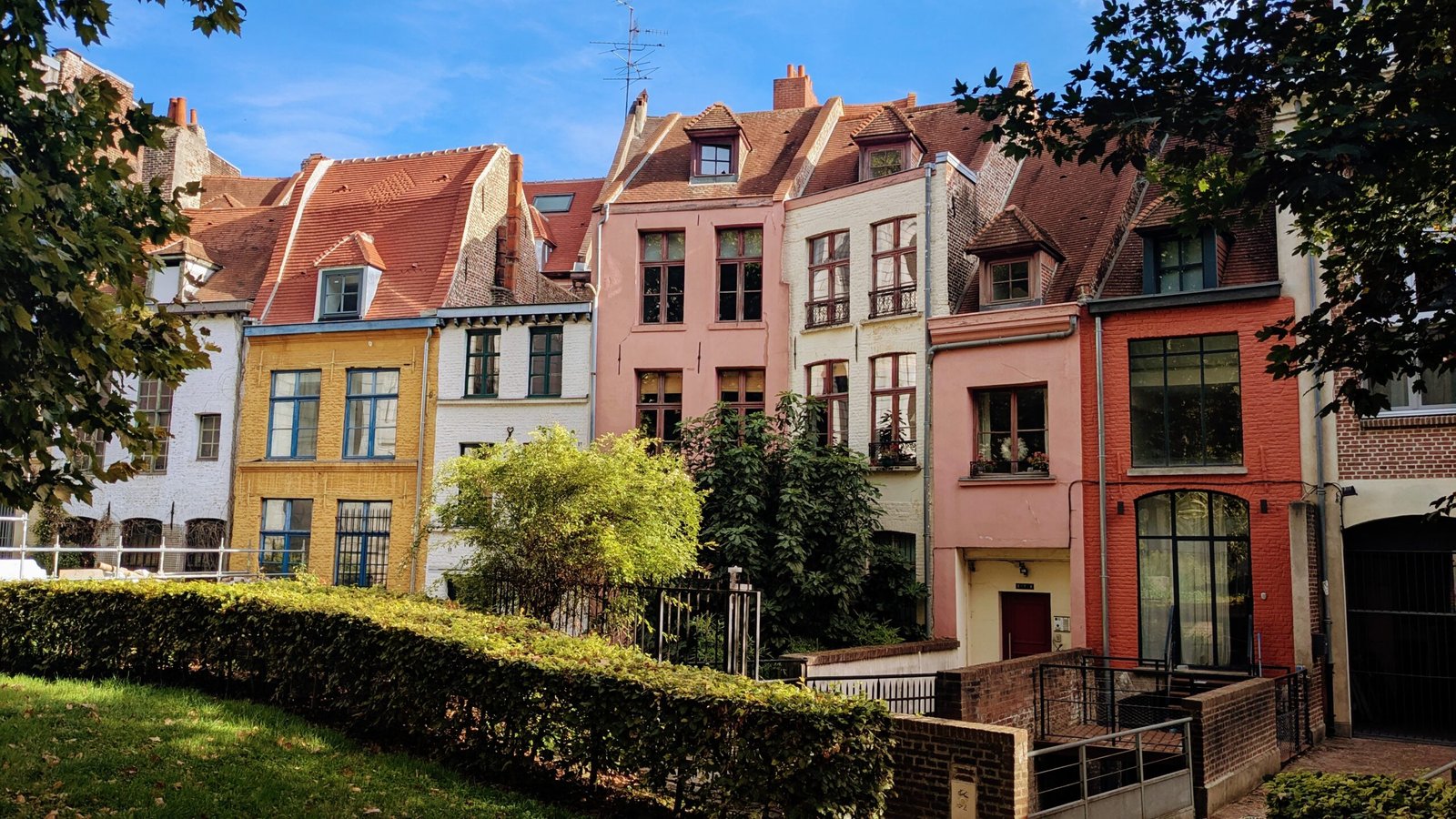
France beyond Paris: where to go, what to see, and how to plan a better trip
Paris is usually the first stop on a France trip, and if it’s your first time, fair enough. But once you’ve been or if you’re not drawn to big capital cities – or if you don’t want to miss out on everything else France has to offer – the rest of the country offers a very different, often more rewarding experience.
This is for anyone who wants to see more of France than the capital, quieter cities, less touristy regions, trips that feel slower, or who’s been to Paris already and doesn’t want to repeat the same highlights on a second trip. Rather than another list of destinations, it’s about the decisions that shape a trip: where to base yourself, how to get around, and how to structure your time once Paris isn’t part of the plan.
Why travel beyond Paris?
Once you move away from the capital, France changes quickly. Prices drop, meals get longer, and you’re paying attention to the place and the people in it, not the queue for the entrance.
Travelling outside Paris also tends to mean:
- fewer crowds, especially outside peak summer
- better value accommodation and food
- stronger regional identity (food, language, pace)
- more opportunities for slower travel
This is slow travel territory. staying put for longer and getting to know somewhere, rather than ticking off a checklist.
The best places to visit in France outside Paris
There isn’t one single “best” alternative to Paris. The right choice depends on what you want from the trip – city life, countryside, coast, or simply a slower pace.
Before diving into individual destinations, it helps to think in terms of travel style, not just places.
This shifts trip to trip for us too: we did Lille as a long weekend, popping over on the Eurostar, versus a 10-day trip where we flew into Lyon and worked our way down to Nice via Marseille by train.
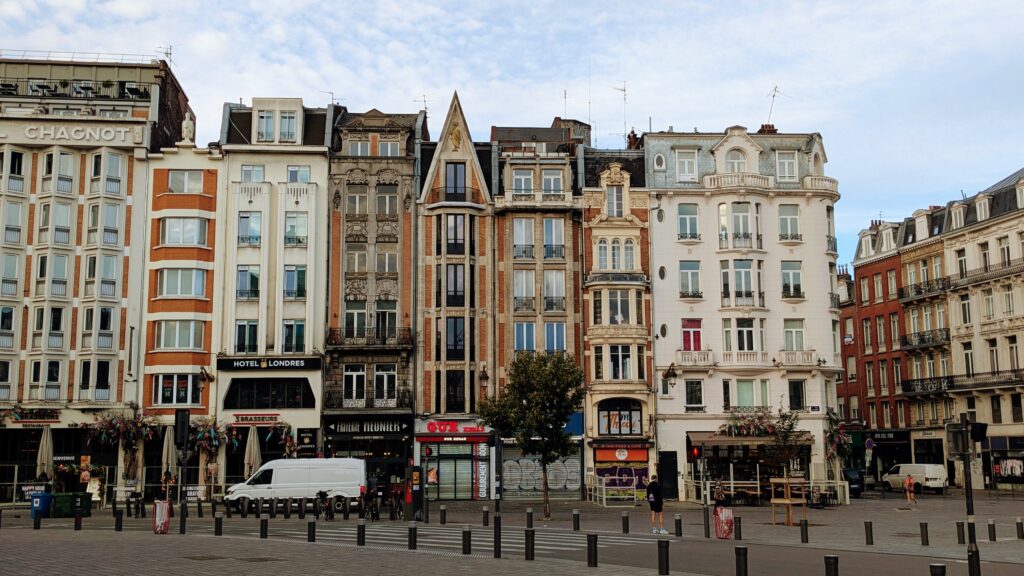
Quick comparison: France outside Paris by travel style
| City / region | Train from Paris | Good for | Recommended stay | Guide |
|---|---|---|---|---|
| Lille | ~1 hour | A weekend without committing a whole trip to it | 2 days | Perfect weekend in Lille |
| Lyon | ~2 hours | Food-first city break, strong as a first stop on a longer trip | 3–4 days | Best things to do in Lyon |
| Marseille | ~3 hours | A single anchor city with day trips (calanques, Aix, Cassis) rather than moving hotels | 4–5 days | Beautiful places in Marseille |
| Nice | ~5.5 hours (or fly) | Riviera base with easy day trips to Monaco and Antibes | 4–5 days | Best things to do in Nice |
| Jura / Auvergne / Occitanie | Varies | Slow travel, hiking, a week with no city at all | 7+ days | Coming soon! |
French cities worth visiting beyond Paris
If you still want culture, food, and walkability – just without the scale and pressure of Paris – regional cities are often the easiest place to start.
Cities like Lyon, Lille and Marseille work well as proper bases, not just stopovers. Big enough to keep you busy for days, small enough to still feel liveable. Base yourself in one and you can day-trip out to smaller towns without packing a bag every two nights.
If you’re deciding between city options, our guide to underrated cities in France compares places tourists often skip and explains who each one suits.
This works best if you’re travelling by train, have under a week, or want food, neighbourhoods and everyday life over headline sights.
Less touristy regions of France
If you’re more interested in landscapes, food, and slowing down, regional France is where you’ll see the biggest contrast with Paris.
Away from the most famous areas, regional travel is best suited to longer stays (a week or more), and activities like hiking and cycling rather than tourist sites.
The benefits of this are of course quieter villages and small towns, fewer tour groups and lower prices.
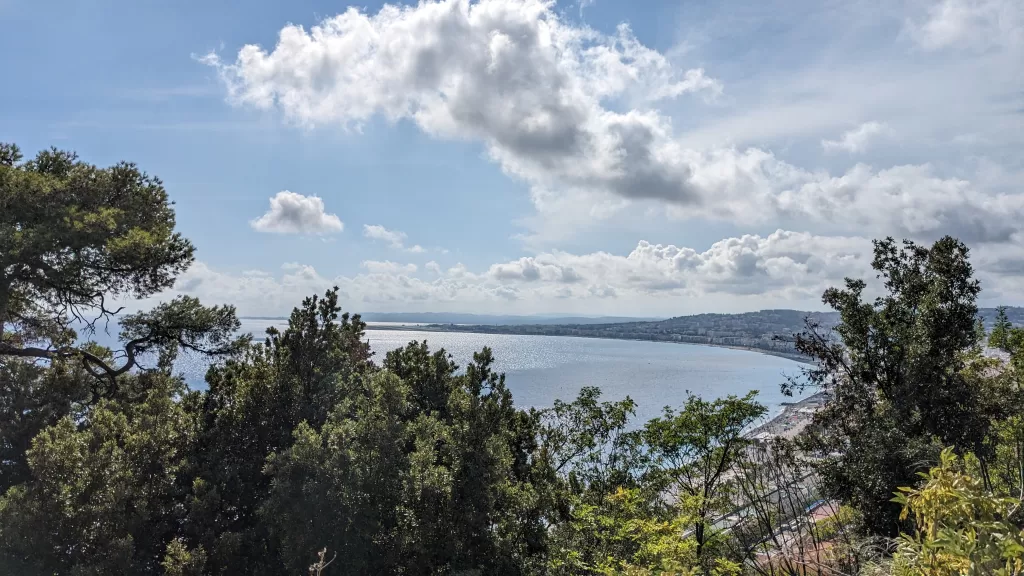
If you’re considering the South of France
The South of France is often the first place people look after Paris – but it’s also one of the easiest parts of the country to misunderstand. Coastal resort towns, inland villages, port cities and national parks all get grouped under the same label, despite offering very different experiences.
If you’re heading south, it’s worth narrowing things down early. Our South of France travel guide focuses on helping you choose where to go based on travel style, not hype.
This is particularly useful if you’re deciding between:
- city vs countryside
- coast vs inland
- car-free vs car-dependent travel
You’ll also find the south of France to be very different to other parts of France – contrast the medieval Flemish region of North France, compared to the sunny glamour of the south. Both brilliant, just very different holidays.
How to travel around France beyond Paris
One of the biggest advantages of travelling outside Paris is flexibility. Many parts of France work extremely well without a car, especially if you base yourself in a city or larger town.
High-speed and regional trains connect most major areas, and day trips are often easier than expected. That said, some rural regions are still much easier with a car.
Cars are more useful if you’re staying in rural areas or want complete flexibility, but they’re not essential for most city trips. You can combine train travel with hiring a car for a day or two, to go onto more rural areas.

When is the best time to visit France outside Paris?
Timing matters more once you move beyond the capital. Many regional destinations are at their best in spring (April–June) and in early autumn (September–October).
These periods bring fewer crowds, better availability, and more comfortable temperatures, particularly in the south. Summer can still work well, but it’s worth being more selective about where you go.
How to plan a France trip beyond Paris
A Paris-free France trip is not unusual, and it doesn’t need to be complicated.
We think the key is choosing one anchor – a city or region – and building out from there, rather than hopping between highlights.
The long weekend: Lille. Eurostar out Friday evening, two full days in Vieux-Lille and the Grand Place, back Sunday. No car, no internal train needed. Good if you want a taste of France beyond Paris without committing a whole trip to it.
The 10-day classic: Lyon, Marseille, Nice. Roughly four days in Lyon for food and museums, a two-hour train down to Marseille for three or four days including a calanques day trip, then another couple of hours on to Nice for the last three or four days with Monaco or Antibes as an easy add-on. All three legs run on direct TGVs, so the whole route works without a car.
The single-base week: Marseille or Provence. Pick one city or region and stay put. Base in Marseille and day-trip to the calanques, Aix-en-Provence and Cassis, or base in a Provençal town and do the reverse. Fewer hotel changes, more time to actually settle in rather than living out of a suitcase.
Frequently asked questions
You don’t need Paris for a great France trip
France beyond Paris isn’t about avoiding the capital for the sake of it. It’s about recognising that the country works better when you match places to how you actually like to travel.
Whether that means a smaller city, a quieter region, or simply staying put for longer, the alternatives to Paris are often where France feels most relaxed, and most French.