
Italy travel guide 2026: where to go, what to do and how to plan
Our first trip to Italy was in 2018 – Rome, Florence and Venice by train – and it’s remained one of the best holidays we’ve been on. The food was extraordinary, the history was around every corner, and travelling between cities by train felt like part of the experience rather than just a way to get from A to B.
We’ve been back since for Naples and Pompeii, and we still have a growing list of places we want to see. Every trip has been different: the first was a wide-eyed sprint through the highlights, the second was slower and more focused.
This Italy travel guide brings together everything we’ve learned – where to go, when to visit, what it costs, how to get around, and what to do when you arrive – along with links to our detailed guides for each destination. Whether you’re planning your first trip or going back for more, this is the place to start.
Where to go in Italy
Italy is a long, narrow country, and the character changes dramatically as you move from north to south. Most first-time visitors stick to the big three (Rome, Florence and Venice) connected by fast trains. That’s a brilliant first trip, and it’s the one we did ourselves – but there’s far more beyond the classic route.
Northern Italy is home to Venice, the Italian Lakes, the Dolomites and Milan. It tends to be more expensive, more polished, and (outside Venice) less touristy than the centre. The food leans toward risotto, polenta and rich meat dishes.
Central Italy is where most visitors spend their time, and where most of the big hitters are. Rome has two thousand years of history stacked on top of itself. Florence is the gateway to Tuscany: art, wine, rolling hills. The smaller towns in between (Siena, Orvieto, Lucca, San Gimignano) are some of the most charming places in Europe.
Southern Italy and the islands are where things feel less polished, more chaotic, and often more rewarding. Naples has the best pizza in the world and Pompeii on its doorstep. The Amalfi Coast is dramatic and beautiful. Sicily and Puglia are increasingly popular with travellers looking for something beyond the usual circuit, and they’re significantly cheaper.
If it’s your first time, our guide to the best places to visit in Italy for first-timers will help you narrow it down. The honest answer is that you can’t go wrong, but you can try to do too much. Pick two or three places and give yourself time to enjoy them.
Our 10-day Italy itinerary covers Rome, Florence and Venice with an optional Naples extension, all by train.
When to visit Italy
Timing matters more in Italy than in most European countries. The difference between visiting Rome in April and visiting in August is enormous, not just in temperature, but in crowds, prices, and how much you’ll enjoy it.
Spring (April–May) and autumn (September–October) are the sweet spots. The weather is warm but manageable, the light is beautiful, the crowds are thinner, and prices haven’t peaked. We visited in April and it was perfect – warm enough to eat outside, cool enough to walk all day.
Summer (June–August) brings intense heat, especially in Rome, Florence and southern Italy. Cities can hit 35–40°C, and major sights are at their busiest. Coastal areas and islands are in full swing, which is great for beaches but means higher prices and busier restaurants. If you visit in summer, start your days early, take a long lunch break in the shade, and save the evening for exploring.
Winter (November–March) is quiet, cheap, and underrated for the right kind of trip. Cities like Rome and Florence are much calmer, and you’ll have museums and churches largely to yourself. The trade-off is shorter days, cooler weather, and some coastal towns shutting down entirely.
For the full picture, including festivals to plan around and months to avoid, see our guide to the best time to visit Italy.
And if you’re trying to find cheap flights, we’ve written a separate guide on the best time to fly to Italy from the UK, covering which months and days offer the lowest fares.
How much Italy costs
Italy has a reputation for being expensive, and it can be, but it doesn’t have to be. Your daily spend depends almost entirely on where you go, when you visit, and how you travel.
As a rough guide: a budget traveller can manage on around €70–100 per day (hostels, street food, regional trains, free sights). A mid-range trip (boutique hotels, restaurant meals, museum tickets) runs closer to €150–200 per day. And if you want luxury hotels, fine dining and private guides, expect €200–500+.
The biggest variables are accommodation (Venice and the Amalfi Coast are significantly pricier than Naples or Sicily) and eating out (a sit-down restaurant dinner costs three to four times what a lunchtime menu del giorno does, for food that’s often no better).
We’ve broken all of this down with specific prices, money-saving tips and a realistic daily budget in our guide Is Italy expensive to visit?
Getting around Italy
Italy’s train network is one of the best in Europe, and it’s by far the easiest way to travel between cities. High-speed trains (Frecciarossa and Italo) connect Rome, Florence, Venice, Naples, Milan and Bologna in two hours or less, with tickets starting from around €20 if you book in advance.
Regional trains are slower and cheaper, and they’re how you’ll reach smaller towns like Pompeii, Lucca, Cinque Terre, and Orvieto. They don’t require advance booking; just buy a ticket at the station and validate it before boarding.
We’ve used trains for every trip to Italy and would always choose them over renting a car for a city-based trip. You arrive in the centre of town, you don’t need to navigate ZTL zones (restricted traffic areas that’ll get you fined), and everyone in the group can have a glass of wine at lunch.
Our guide to how to get around Italy by train covers everything about train travel in Italy, including buying tickets, what trains to get, and our top tips.
For specific journeys, we have a detailed guide on how to get from Naples to Pompeii, covering the Circumvesuviana train, buses, and private transfers.
Italy itineraries
The shape of your trip depends on how much time you have and how fast you want to move. We’d always suggest fewer places and more time in each — but we know not everyone has that luxury.
Got 10 days? Our 10-day Italy itinerary by public transport covers Rome, Florence and Venice with an optional fourth destination, all connected by train. It’s the classic route and the one we’d recommend for most first-time visitors.
Got 4 days in Rome? Our 4-day Rome itinerary is a relaxed, day-by-day plan that covers the big sights without feeling like a race. It includes the neighbourhoods and quieter areas we loved most, plus suggestions for what to skip.
Explore by destination
Rome
Rome was our first stop in Italy and it’s where we’d tell most people to start. It’s overwhelming in the best way – you’ll turn a corner and find a 2,000-year-old temple next to a gelateria next to someone’s washing line. The history is extraordinary but what surprised us most was how much we loved just wandering the neighbourhoods: Monti, Trastevere, Testaccio.
Our 4-day Rome itinerary covers the Colosseum, Vatican, Pantheon, and Trevi Fountain alongside the quieter areas we think make Rome special. It’s designed to be relaxed – we front-loaded the big sights and left room to explore.
We’ve also written a comprehensive guide to the best things to do in Rome, organised by area, that covers every major sight, neighbourhood and food stop – useful to read alongside the itinerary.
Our guide to the best places to stay in Rome covers the areas we think you should stay to miss the main tourist areas. It also gives verified hotel suggestions.
Florence and Tuscany
Florence is smaller and more walkable than Rome, and the density of art and architecture per square metre is absurd. We loved the Uffizi, the view from Piazzale Michelangelo, and eating lampredotto sandwiches from street vendors. But for us, the highlight of this region was getting out into the Tuscan countryside – the vineyards, the hill towns, the slower pace. One of our favourite day’s of the holiday was borrowing some bikes from the hotel and riding around the narrow Tuscan lanes near Florence.
If you’re based in Florence and want a day in the wine country, our guide to the 10 best Tuscany wine tours from Florence covers the top-rated small-group tours across Chianti, Montalcino and San Gimignano, with honest reviews and prices.
Naples, Pompeii and the Amalfi Coast
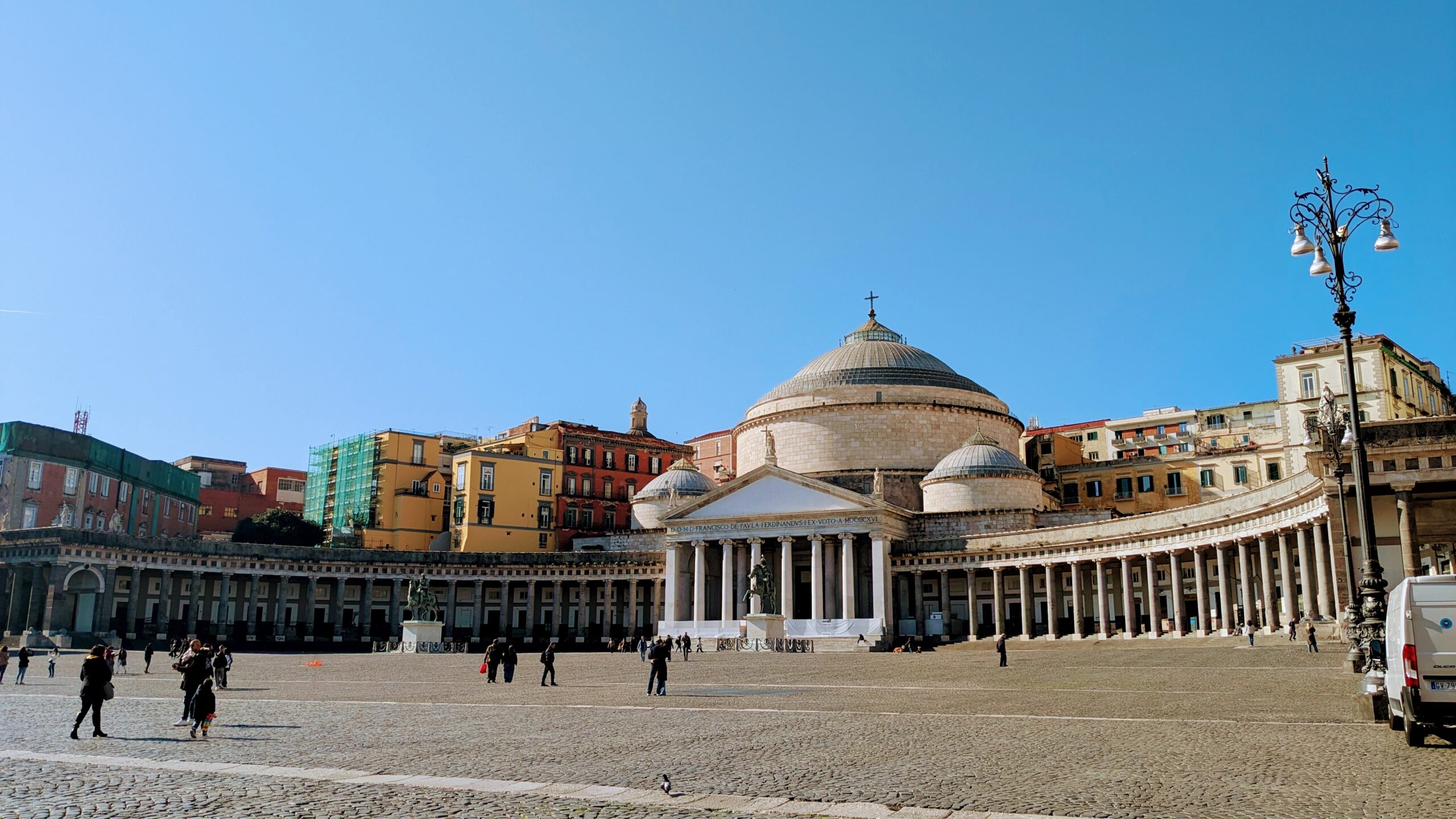
Naples is loud, chaotic, and completely brilliant. The pizza is amazing – it taste delicious and was so cheap (from €9 for a large Margarita). It’s also the most affordable major city in Italy, and the jumping-off point for Pompeii, the Amalfi Coast, and the islands of Capri and Ischia.
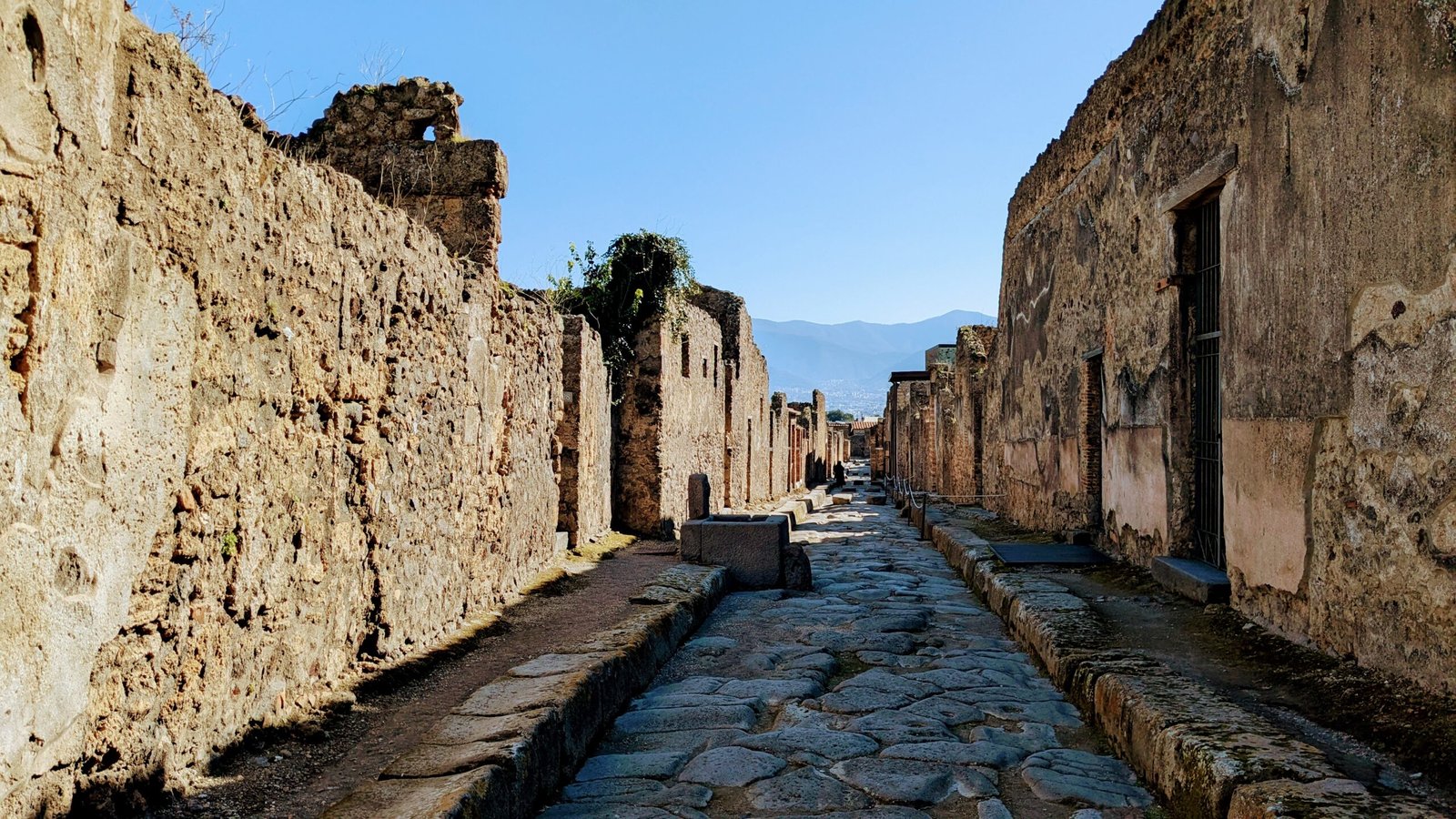
We visited Pompeii as a day trip from Naples and it was one of the most memorable things we’ve done in Italy. Walking through an entire Roman city preserved in volcanic ash is extraordinary. Our guide on how to get from Naples to Pompeii covers the cheapest, fastest and most comfortable options.
Tours and experiences worth booking
One of the best investments we made in Italy was booking a small number of well-chosen tours and experiences. The right tour gives you context and access that you can’t get on your own – a local guide who can explain what you’re actually looking at in the Roman Forum, or a winemaker who’ll walk you through their vineyard.
Tuscany’s wine country is an easy day trip from Florence, and a guided tour means nobody has to be the designated driver. We’ve reviewed the best options in our guide to the 10 best Tuscany wine tours from Florence, covering Chianti, Montalcino and San Gimignano, with prices from around £80 per person.
The Colosseum, Roman Forum and Vatican are all significantly better with a guide who can skip the queues and bring the history to life. In our 4 day Rome itinerary we recommend a specific Colosseum and Forum tour that we rated highly.
Italy travel guide – practical information
Language: Italian is spoken everywhere. English is widely understood in Rome, Florence and Venice, less so in smaller towns and the south. A few basics – buongiorno, grazie, scusi – go a long way and are always appreciated.
Currency: The Euro (€). Card payments are widely accepted in cities, though smaller businesses, rural trattorias and market stalls may prefer cash. Use a card with low overseas spending fees (we use Starling Bank), and always choose to pay in euros when given the option at a card machine.
Visas: For most Western countries, no visa is required for stays up to 90 days within any 180-day period (standard Schengen rules). Check with the Italian embassy in your country if you’re unsure.
Time zone: Central European Time (GMT+1), with daylight savings from March to October.
Plugs: Type C and type L. A standard European travel adapter will work everywhere. Italy’s unique type L plug (three round pins in a row) accepts type C plugs, so you don’t need anything special.
Tipping: Not expected the way it is in the US or UK. Most restaurants add a coperto (cover charge) of €1–3 per person, which covers bread and table service. Rounding up or leaving a euro or two for great service is appreciated but not obligatory.
Water: Tap water is safe to drink throughout Italy. Rome in particular has hundreds of free public drinking fountains (nasoni). Bring a reusable bottle and refill as you go.
Safety: Italy is generally very safe for tourists. Pickpocketing is the main risk, particularly on public transport and around busy tourist sites in Rome, Florence and Naples. Keep valuables secure and be aware of common scams (fake petitions, “friendship” bracelets, overcharging in unlicensed taxis).